Creativity and Healing: Making Meaning to Move Forward
There are moments in life that quietly change the way you relate to yourself. Sometimes it’s obvious, like a breakup, a move, burnout, losing a job, becoming a parent, a health scare, the end of a friendship, or a relationship shifting in ways you didn’t expect.
Other times, the disruption is harder to explain. You may wake up one day and realize the version of your life that once felt familiar isn’t fully aligned anymore with who you’re becoming. Routines and responsibilities can still exist, and from the outside, you may even look completely fine.
But you know what that feeling is inside, and the tension can add up.
It’s so normal for anyone who’s used to functioning at a higher level to move through transitions like this without giving themselves much room to actually slow things down and process. You can keep working and showing up or staying on track while quietly carrying grief, uncertainty, exhaustion, resentment, or disorientation underneath it all.
And because you’re capable, people around you often assume you’re handling it well. At the same time, functioning and processing are not the same thing. Creative activities can be a powerful tool to engage in processing that doesn’t require you to stop life entirely, and may play on strengths you already have. Let’s talk more about it!
Why Transitions Can Feel So Emotionally Disorienting
Any life change has this way of shifting us to reflect on our sense of identity, stability, and emotional safety. That’s why expecting ourselves to move through transitions logically isn’t always serving us.
Let’s normalize some of these thoughts that can be more logical or solution-based:
“If this relationship ended for a reason, why am I still grieving?”
“If I chose this career change, why do I feel unsettled?”
“If this move was the right decision, why do I feel disconnected?”
Emotionally, transitions are rarely clean, and even positive transitions can have you mourning an old version of yourself, old dynamics, or certainty.
When you’re used to staying productive through stress, there can be a strong urge to rush past the discomfort and get back to feeling “normal” as quickly as possible. The problem is that emotional processing usually doesn’t happen on command.
This is often where creativity can help, because it gives emotions somewhere to go before they are fully organized into words. The act of creating plays a significant role in mental health care, especially when we're talking about complex emotions (and don't worry it doesn't require artistic skill or experience in creative arts).
Creativity and Healing: Why Expression Matters
When people hear the phrase “creative healing,” they sometimes assume it means making art about trauma or forcing yourself to become more expressive. The truth is, you really don’t need any artistic ability to create.
If you think about it, creative expression is really just about being an outlet to move through thoughts, feelings, and energy. Sure, some people create to perform or produce outcomes, but that’s not what we’re talking about here.
After periods of stress, grief, burnout, or major change, people often become emotionally constricted. Everything stays internal, and thoughts loop while feelings build pressure beneath the surface. That’s the nervous system staying tense and over-alert.
Creativity doesn’t fix pain instantly, but it creates space for release, reflection, and emotional movement. Expression through writing, music, movement, visual art, or hands-on activities can help you access emotions that feel difficult to explain directly.
The research on creativity and mental health
There are also numerous studies connecting creativity, art therapy, and mental wellness, like the Harvard seminar series: Creativity, Connection, Happiness & Health taught by Jeremy Nobel MD, MPH. . Creative practices have been linked to stress reduction, improved emotional regulation, reduced anxiety, and increased feelings of connection and meaning.
Many therapeutic goals center on new ways to move through difficult experiences with practical tools and creative ways to engage emotions and build a deeper understanding of self. It's a form of mindfulness and personal expression that can support a holistic approach to mental health care, or a way for you to feel empowered about things you can do at home.
When you engage in creative work, your attention often moves away from constant mental problem-solving and toward sensory experience instead. You may become more present and connected to your body or aware of what you’re feeling underneath any confusion or noise.
Many people who are used to operating at a high level spend most of their day in analysis mode. You may be familiar with anticipating, managing, producing, responding, organizing, and planning. That’s when artistic expression can invite in a different pace and focus less on an outcome and more on being with yourself in the present moment.
You Don’t Need to Be “Creative” for Creativity to Help
If you ask a lot of adults, it feels like we disconnected from creativity years ago. That sense of childhood play and curiosity may feel very different than what you have time or patience for now, but there are ways creativity shows up that may not be getting enough credit.
You’re not alone if you’ve thought:
“I’m not artistic.”
“I’m bad at drawing.”
“I’m not creative enough for that.”
“What’s the point if I’m not good at it?”
Creativity may show up in your job when you brainstorm, put together a presentation, design a social media feed, think outside the box, or even the way you lay out your space.
But emotional healing through artistic activities has very little to do with being good at something and more about what’s happening internally when you use that side of your mind. That’s especially true if you’re used to pushing through tougher seasons or find any challenge in connecting with your emotions with other mindfulness techniques.
Here’s what we can get curious about when it comes to your internal world during creativity:
Do thoughts slow down?
Do they soften?
Do they notice emotion?
Do they stop trying to perform for a few minutes?
Do they reconnect with parts of themselves they’ve been neglecting?
That’s the real work that we love to see, because it takes away the pressure to explain yourself perfectly. You don’t always need a fully articulated insight to begin processing something, and you may not even know what emotions you’re working through.
Sometimes your nervous system needs expression before your mind has language for what’s happening.
Rebuilding Identity After Life Changes
One of the most difficult parts of disruption is that it can leave people feeling caught between versions of themselves. You may not fully relate to who you were before, but you also may not know who you are becoming yet.
This can feel especially unsettling if your sense of identity has been closely tied to competence, success, relationships, caregiving, or structure. If you’re wondering who you are becoming when your life is shifting, creativity supports you with more room for exploration without requiring immediate answers.
We want to move to a place where there’s less pressure to define yourself all at once. When that can happen, you may begin noticing pieces of yourself again that feel familiar or resonate with the process of becoming.
You may start to reconnect with or discover what moves you emotionally, what feels grounding, what sparks curiosity, what brings relief, and what feels honest.
That process may sound small, but it truly matters as you think about emerging from a big change feeling connected to yourself.
Forms of Creative Expression That Support Healing
There is no single right way to use creativity for emotional processing, and different people need different forms of expression depending on what feels most accessible and can become a safe space for creative engagement. Let’s take a look at a few ideas to see if any pop out to you or inspire you.
Writing and Journaling
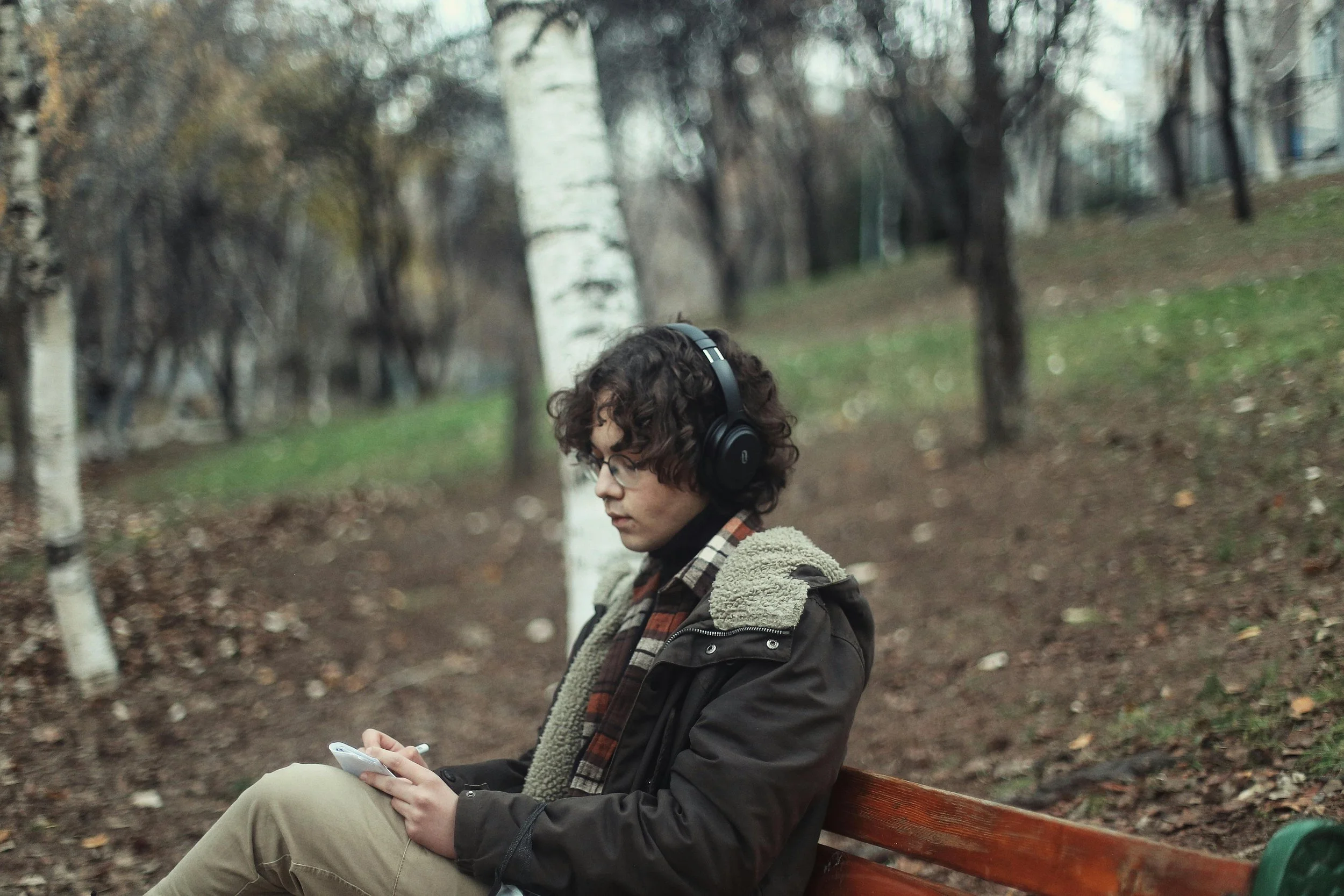
Writing is often helpful for personal growth because it creates distance from looping thoughts. When difficult emotions stay internal, they can start feeling tangled and overwhelming. Putting them into words can help create more clarity and emotional release.
Some prompts that may feel supportive during transitions:
What feels hardest to admit right now?
What version of myself am I grieving?
What am I trying to force clarity around?
What has this season taught me about my needs?
What no longer fits the life I want to build?
You do not need to write something profound or even coherent if you don’t want to. It’s all about the process and getting a bit raw and honest in the way that you feel connected to.
Music and Emotional Processing
Music therapy has long been used in mental health settings because music accesses emotion differently than conversation does. Certain songs can help people process grief, reconnect with memories, release emotion, or feel understood in moments where words feel insufficient.
This doesn’t have to look formal at all, and you may just create playlists for different emotional states or choose to opt into music instead of scrolling. Even singing, humming, or tapping your foot can engage this type of creative process.
Visual Art and Hands-On Creativity
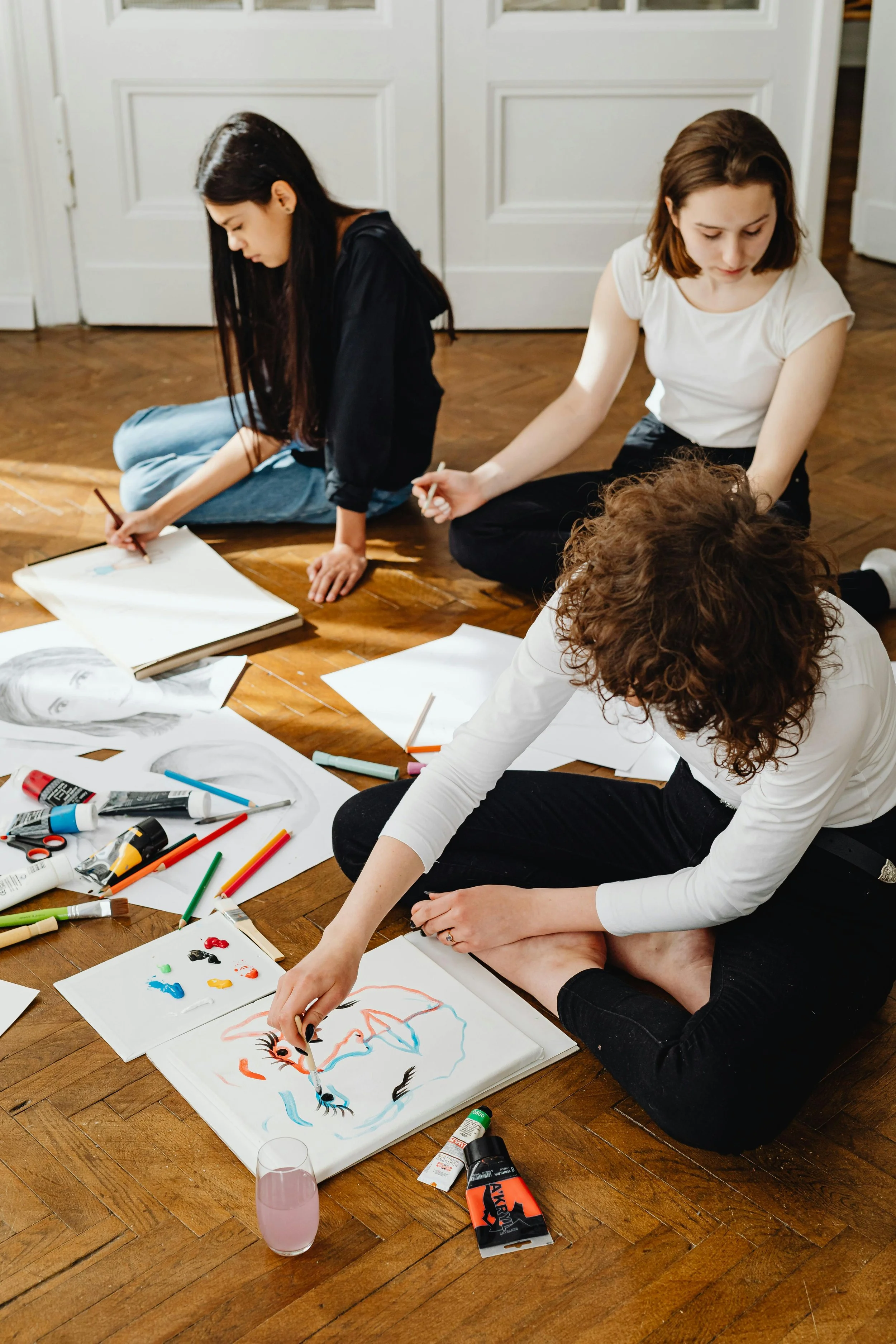
Painting, collage, photography, ceramics, decorating, crafting, or working with your hands can all become forms of emotional grounding. These are things that can send a perfectionist mindset into overdrive, but what if you chose to engage in them just for fun? Honestly, making things messy and not having a game plan or prep can be what unlocks the creativity within you.
There is something regulating about physically shaping, arranging, building, or creating when life feels uncertain, especially for people who spend most of their day thinking. Hands-on creativity often helps people reconnect with their bodies and senses instead of staying trapped in mental overprocessing.
Movement-Based Creativity
Movement can also become a form of emotional expression. Dance, yoga, stretching, walking, or intuitive movement practices can help release stress that the body has been holding onto.
This can be especially important for people who feel emotionally disconnected or numb during periods of burnout or transition. The idea is continuing to come back to yourself in any way you can, and for a lot of people, movement helps this along when being more quiet or still can stir up the urge to “do”.
Sometimes movement helps people reconnect with themselves in ways talking alone cannot.
Creativity Can Help You Feel Less Alone
One of the quieter effects of emotional disruption is isolation. Even people with strong support systems can feel deeply alone during transitions, especially when they’re used to being the capable one.
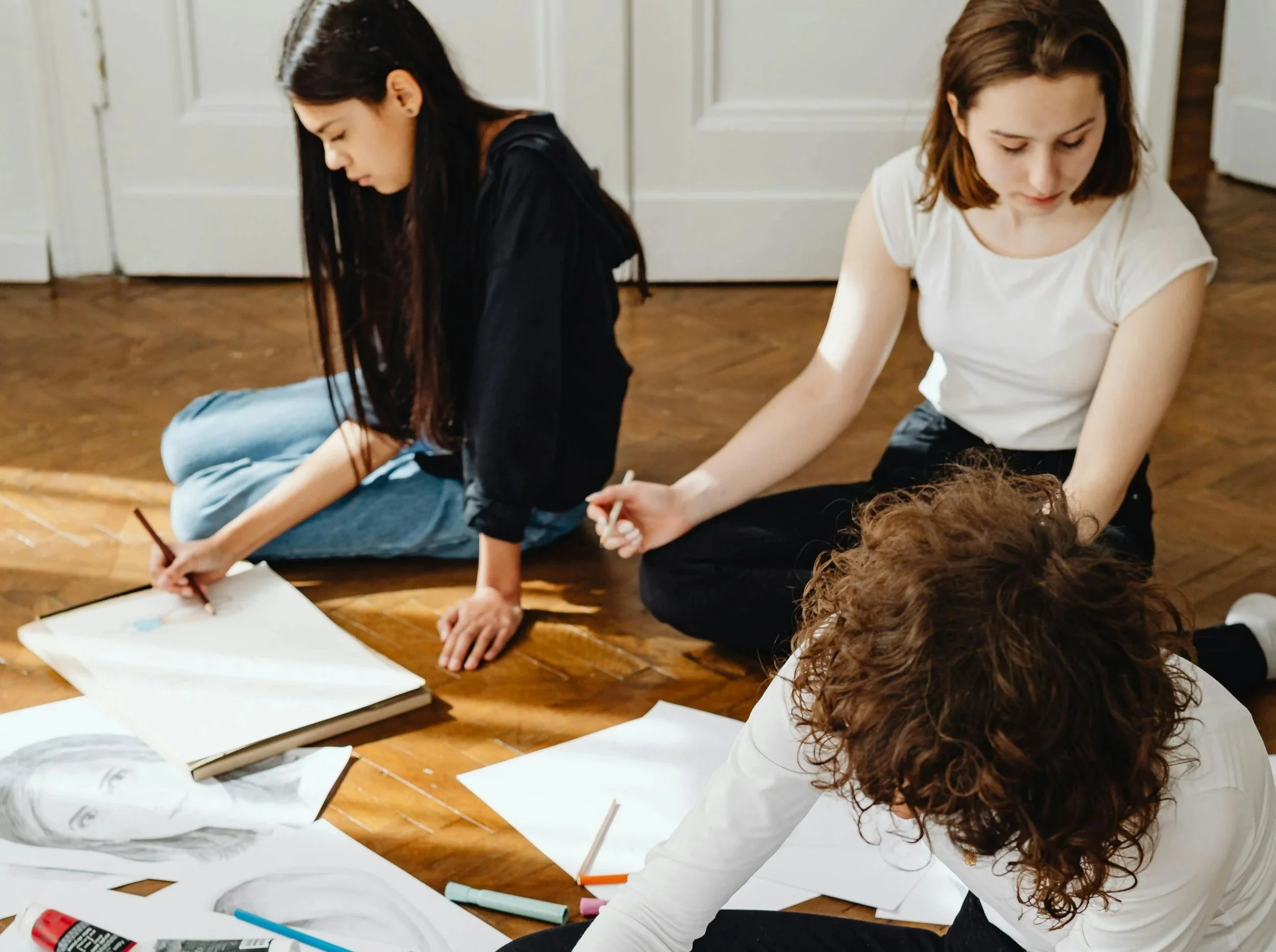
The power of art has healing power, and can create connection in subtle ways, and we encourage you to include someone else in these practices if that feels more comfortable at first.
Also, people often feel understood through books, music, films, poetry, art, or shared creative spaces before they feel ready to openly talk about what they’re carrying. Sometimes hearing someone articulate an emotion you haven’t fully named yet can feel incredibly relieving.
It reminds you that your experience is human, and that you are not the only person trying to rebuild after change.
You Do Not Need to Force Clarity Before You’re Ready
A lot of people move through life transitions believing they should already know what the next version of themselves looks like. It’s normal to walk through a period where things feel unfinished or where old identities no longer fit.
Creativity brings out physical health benefits, social connections, and lower cortisol levels that build emotional resilience. Choosing creative outlets that work for you is all about owning your own healing process and trying to see what makes sense in your daily life.
Certainty may disappear for a while, where you are simply learning how to exist inside a new reality. That in-between space can feel uncomfortable, especially for people who are used to solving problems quickly.
Discomfort doesn’t mean you’re doing something wrong, and we’re here to help you embrace that middle space of becoming in any small way that may resonate.
Continue the journey of self-empowerment