
Love Languages Explained: Understanding and Connection
A couple struggling with communication, conflict management, and feeling connected is rarely lacking love for one another. The truth is that love takes many forms, and when we aren’t sure how to express it in the way our partner needs, we end up missing each other emotionally without even realizing it.
You may have heard of love languages and wondered if they’re anything more than results you get from a little quiz or a topic that casually comes into conversation with friends. Being able to look more deeply into love languages and know how to bring yours into your relationship effectively can be the spark that leads to a deeper connection and to receiving more of the care that feels most meaningful to you.
Couples who let love languages be more than a one-time conversation can put more intentional effort where it matters and help one another feel seen in a more authentic way. Below you’ll see love languages explained in a real human way, be able to talk about what they mean, understand why people resonate with different things, and take action on them with your current or future partner.

What are the five love languages?
Gary Chapman's book, The Five Love Languages, introduced a concept that helps us make sense of emotional needs and relationship satisfaction.
Love languages are one way to look at the various ways we feel loved, experience connection with others, and give care. It’s helpful to think about how everyone needs love, but it looks different, and welcoming that with understanding makes all the difference.
There are five main love languages, although it’s so common to feel like you may have your own unique combination of a few as you read through. Take this moment not to feel like you have to fit into a single box, but to notice what calls to you.
Another nuance to consider is that you may like to give love in one language and receive it in another (the complexity… I know!). We’ll talk more about that in a bit, but for now, let’s take a look at each love language in detail below.
Words of affirmation: Feeling valued through verbal affection
Words of affirmation resonate most with those who feel real love when they hear them spoken aloud. It’s not necessarily about praise or reassurance as much as feeling seen, appreciated, and acknowledged on an emotional level.
There’s a certain sense of connection and safety with someone else that can come from them taking time to express kind words and love notes:
“I notice you.”
“I value you.”
“You matter to me.”
Why this love language feels so good to receive
Words of affirmation help people feel confident and secure in how their partner sees them and where their relationship stands. Something about hearing the words can mitigate self-doubt and serve as an emotional touchpoint when life gets busy.
Examples of showing love through words of affirmation
Thank your partner for things they do, or how they handled a situation
Offer encouragement when you sense stress or when your partner is off
Leave a thoughtful text or note regularly
Say I love you with intention, and not just out of a habit
2. Quality time: Feeling love through presence and connection
Quality time isn’t always about never leaving one another’s side, but making the most of time available to be truly present together. People tend to resonate with this love language when they want to feel a connection with physical presence that goes far beyond scrolling on phones next to one another. This is more of a feeling that your partner wants to be with you, free of distractions, or to do things together out of obligation.
Why this love language feels so good to receive
Having someone’s undivided attention, time, and focus sends a message that says, “You matter enough for me to slow down.” It creates a level of emotional closeness and intimacy that’s increasingly rare as everything from screens to schedules competes for our attention. Quality time, as a love language, is the best way for some people to feel prioritized, so when it is lacking, there tends to be more disconnection or conflict.
Examples of showing love through quality time
Plan intentional date nights or time to just be together
Show up to meals without phones or other distractions
Ask meaningful questions that go beyond surface level
Talk openly about busy times to set aside moments to connect
3. Acts of service: Feeling love through support and reliability
Acts of service are about actions that feel supportive and helpful, and that provide the level of care people who resonate with this love language need. For example, for some people, having breakfast ready to go on a morning when you’re feeling overwhelmed can be more impactful as a show of love than simply saying “I love you” or “I’m here for you.”
Why this love language feels so good to receive
Acts of service can feel connective as a way to showcase that you’re feeling seen for all you’re carrying, and your partner is there to help as a teammate you can count on. For some people, these actions speak louder than words, as they center on reliability, selflessness, trust, and support in ways they may not have known they needed.
Examples of showing love through acts of service
Helping with errands or things your partner may normally carry alone
Making meals or making the bed during busy weeks
Taking care of something that’s been stressing them out
Volunteering to support responsibilities before they become overwhelming
Doing something kind or unexpected to lighten their week
4. Physical touch: Feeling love through closeness and comfort
Physical touch is a form of intimacy, but resonates most with people who feel grounded and reassured when they’re in contact with their partner. This can look like sitting closely on the couch, cuddling, holding hands, hugging, or the occasional hand on shoulder or knee to represent the love that’s there. Often, people with a physical touch love language will sense a disconnect when these gestures aren’t as frequent.
Why this love language feels so good to receive
Physical affection from someone you love and trust is a proven way to ground the nervous system, beginning in childhood, when parents embrace a new infant in skin-to-skin contact. For some people, this love language remains a vital component to feeling connected to those they feel most safe around, so they may seek out gestures that help them feel chosen and bond in a way that goes beyond words, kind actions, or time spent together. It’s also common to feel like physical touch goes hand-in-hand with another love language.
Examples of showing love through physical touch
Offer a long hug whenever you’re saying hello or goodbye
Hold hands while taking walks or watching TV
Give reassuring touches when your partner is down or stressed
Sit closely when you’re having conversations
Hug hello and goodbye
5. Receiving gifts: Feeling love through thoughtfulness and intention
This love language is sometimes misunderstood as materialism or wanting more “things”. What resonates for anyone who feels love through gifts is being remembered or considered when someone goes out of their way to bring happiness or a moment of joy. Gifts can be different for everyone, but for most, it’s not about throwing money around. It’s about effort, attention to detail, and emotional presence that goes into thinking about what would mean something to you.
Why this love language feels so good to receive
Gifts can be anything from picking up your favorite cookie on the way home to bringing home flowers. It’s all about meaning and can resonate with many people because it shows their partner thinks of them even when they aren’t there. That emotional warmth and authenticity go a long way to show love.
Examples of showing love through gift-giving
Picking up your partner’s coffee order while you’re out
Writing a heartfelt card to acknowledge them
Celebrating milestones thoughtfully and with attention vs. any other day
Surprising your partner with something small that means something big to them
Planning a trip or experience you can do together
Which love language is yours? You don’t have to fit in a box
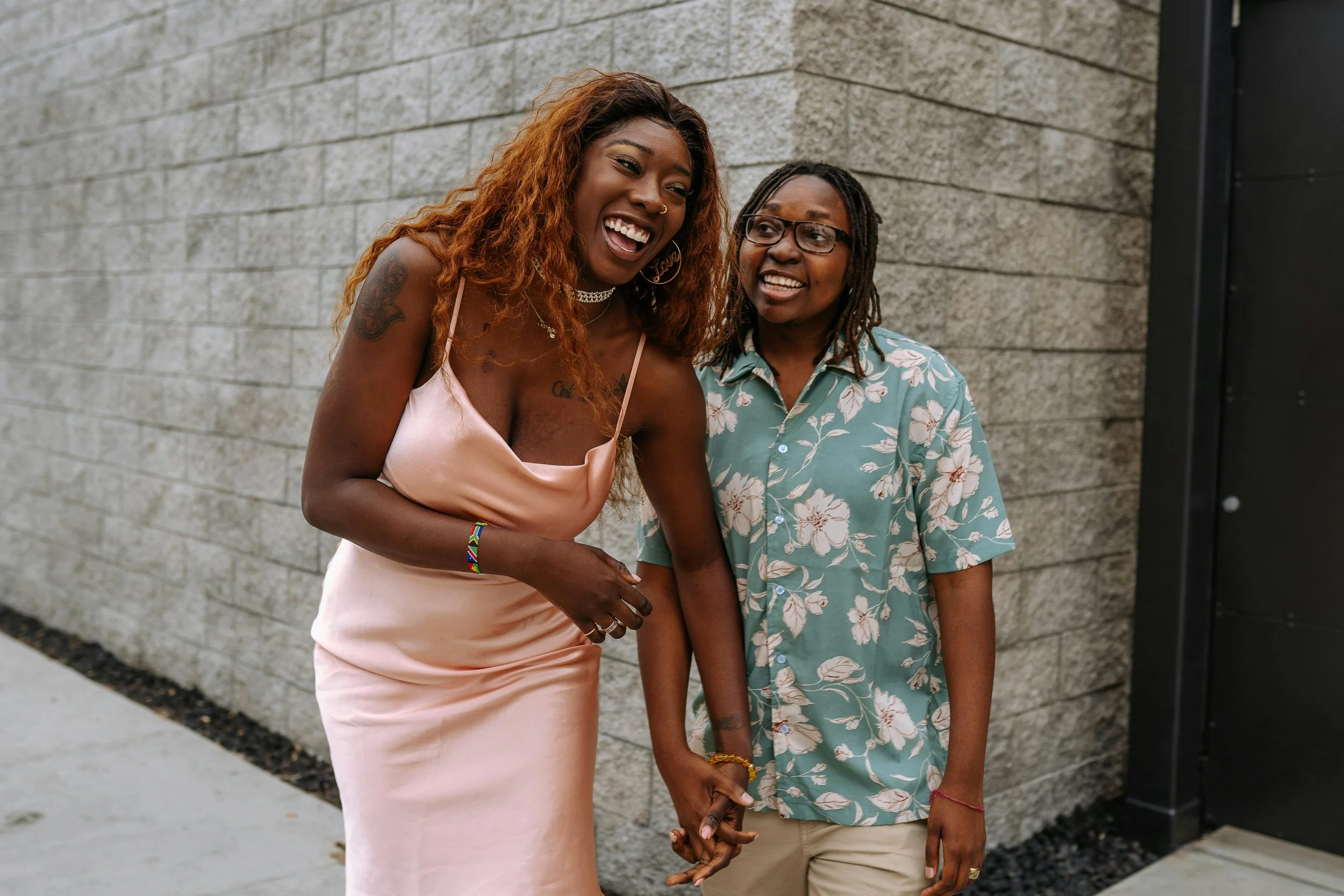
Many versions of a love language quiz exist to help guide you if you’re not really sure what speaks to you most. These can present questions that are easier for you to answer and broaden your own self-discovery along the way as you get to know what you really need in a relationship.
Something so important to note here is that you may feel like you relate to several love languages. I mean, they all sound nice in some capacity, right? That’s why we want to normalize the idea that love isn’t always put into one neat category, and that, as layered human beings, we may have different needs in different moments. You may have a secondary love language or lean into a specific love language at different times of your life.
It’s totally valid to crave some quality time when work has been particularly demanding, and want words of affirmation if things feel tense or disconnected between you and your partner. You may want physical touch to feel resolved after conflict and prefer acts of service on a typical day-to-day. You can also want a blend of some of these styles, and that’s completely fine, too.
The biggest takeaway from knowing your love language (or languages) is how to articulate them to your partner and to understand that theirs will likely be a little different from yours. It may be tempting to figure out why you need love in a certain way, but don’t feel that you need to. It’s okay to simply say, “This is how you can love me well” without explanation.
Receiving love vs. giving love and why they can look different
As you think about the love language you most resonate with to receive, it’s natural to consider that it may be a bit different from the love language you tend to give. For some people, they may lean into giving love the way they want to receive it, too. It really depends on two unique individuals in a relationship, but opening the conversation can help you consider what you tend to do to show care or connect with your partner.
When you want to show someone you care, consider what you tend to do most.
Do you send encouraging texts?
Do you offer to help when someone’s stressed?
Do you plan time together?
Do you buy thoughtful little gifts?
The way love flows out of you is great to understand as you learn about your partner and people in your life. It’s common that you give love one way (because, well, you’re good at it!), but it’s not the love language the person on the other end really needs.
Here’s what it can look like to give a different love language than you need yourself:
You might constantly do things for others (acts of service), but what actually makes you feel closest is hearing “I appreciate you” (words of affirmation).
You might be great at planning quality time, but feel most loved when someone surprises you with something thoughtful.
You might express love through affection, yet feel safest when someone shows up consistently and follows through.
It can be interesting how our partners and loved ones pick up on the way we show love and may assume that’s what we want in return as well. This is the magic of talking about it openly, not to highlight differences as a challenge, but finally feel like you can speak the language you each value most and strengthen the relationship as a whole.
Why different love languages can create misunderstandings

There is absolutely no “right” love language. At the same time, couples can get stuck when they have a hard time relating to their partner’s need for a certain show of care when that’s not as valuable to them.
You may be loving your partner in the best way you know how and giving it your genuine effort, but it’s just not the way that lands most for them. Instead of seeing that as a failure or not being appreciated for what you do, it’s a moment of pause and realignment between partners to open themselves up to a new way of thinking.
We never want to convince our partner that they should want the love we need, but we can ask for what would be impactful actions, words, or gestures on their part as a way to teach them how to channel that effort and vice versa.
Let’s look at an example:
Let’s say John and Sally have been married for 4 years now and feel disconnected, explaining that they seem more like roommates lately than romantic partners. John’s love language is acts of service, and he’s always going above and beyond to help Sally with errands and chores and to take things off her plate. Sally’s love language is physical touch however, and she tends to show John love by seeking quality time together, wanting him to be close to her, and showing affection through hugs and hand holding.
When Sally thanks John for helping but says she needs him to take more initiative in the intimacy side of things to feel like they’re not just roommates, John is frustrated because he can’t understand why she doesn’t see his acts of service as bids for connection and love. On the other hand, John doesn’t naturally lean toward physical touch the way Sally wants; to him, he’d rather have her take things off his plate and show partnership in that way.
Can you see the misunderstanding starting to unfold?
This would be a great case for diving into love languages and bringing that conversation into the relationship to show that having different ways of connecting doesn’t mean they have to dismiss the other person’s deeper needs. It may be humbling for John and Sally to realize they aren’t meeting each other with as much understanding as they put names to the styles of love they both gravitate towards.
By talking about it openly without either being at fault, they can see that they both show so much care for each other every day, but when it’s tailored slightly and they start learning more about how to speak one another’s love languages, they can feel that spark start to return and not allow misunderstanding to overshadow the admiration they have for one another.
Questions to consider:
Do you know your partner’s love language?
Where may you be showing love and feeling unappreciated, when it’s really an opportunity to learn about your partner’s love language?
What could you do to show love in the way they need?
What do you need them to do in order to feel love in the way you need?
How to understand your love language more
We’ve always been firm believers that no one fits in a box and shouldn’t have to. The human experience is complex and formed by everything we’ve walked through in the past and what’s shaped us along the way. Love languages are no different, so we want to encourage you to turn inward as you add understanding and clarity that helps you see why certain ways of showing care or receiving admiration resonate particularly with you.

Reflection questions to deepen awareness of your love language
It can be helpful to dive in deeper and ask yourself the following questions with honesty and no judgement. This is a great self-reflection exercise that can be done in the form of journal prompts, mindful meditation, or any form of checking in that lands with your system.
What makes me feel most appreciated or seen by the people I care about?
When I feel closest to someone, what is usually happening in those moments?
What do I miss the most when it’s not happening in my relationships?
What do I tend to complain about (or silently wish for) when I feel disconnected?
When someone shows up for me in a way that really lands, what exactly are they doing?
What behaviors or moments make me think, “This is what love feels like for me”?
When I feel hurt or overlooked, what need underneath is usually not being met?
If I could wave a magic wand and have one thing increase in my relationships, what would it be?
What kind of support helps me feel calmer, safer, or more grounded during hard moments?
How do I naturally recognize love from others — through words, actions, time, touch, or effort?
When I think about past relationships (romantic, family, friendships), what patterns show up in what I wanted most?
What makes me feel prioritized rather than like an afterthought?
When someone goes out of their way for me, what kind of gesture feels most meaningful?
What helps me feel emotionally close to someone, not just physically present?
If I’m honest, what do I often hope people will just notice and do without me having to ask?
How our needs reflect the way we feel loved
Throughout life, we may have seasons where we either don’t get enough of something we need or develop a need in adulthood that mimics the care we came to know in childhood. These needs can help inform why certain love languages can feel so grounding and necessary. It also helps to build understanding around why different people are going to be drawn to different styles of affection.
If you long for deeper connection → Quality Time
You may notice yourself feeling lonely even when you’re technically “together,” or hurt when phones, work, or distractions take priority. What you’re often craving is true presence, attention, and emotional engagement. Quality Time is often a primary love language for people who feel most loved when someone slows down, listens, chooses them intentionally, and creates space for real connection.
If you crave appreciation and recognition → Words of Affirmation
You might find yourself wishing people would say thank you more, acknowledge your effort, or reassure you that you’re doing a good job. When appreciation is missing, it can feel like you’re invisible or taken for granted. Words of Affirmation often resonate most with people whose emotional system feels safest and most connected through verbal validation, like hearing love, encouragement, and recognition spoken out loud rather than assumed.
If you feel overwhelmed and need more support → Acts of Service
You may notice resentment building when responsibilities feel uneven, or you’re carrying most of the emotional weight. Underneath that frustration is often a longing to feel supported, partnered, and not alone in carrying the load. Acts of Service becomes a love language when love feels most real through follow-through, effort, and practical care, someone stepping in, noticing what needs to be done, and showing up in tangible ways.
If you miss closeness or physical comfort → Physical Touch
You might feel disconnected when there’s little affection, hugging, hand-holding, or physical reassurance, even if emotional care is present. Your body may register love through warmth, contact, and closeness. Physical Touch is often a primary love language for people whose nervous system feels soothed, bonded, and secure through physical connection. Touch becomes a powerful way to feel chosen, safe, and emotionally close.
If you want to feel special, remembered, or thoughtfully considered → Receiving Gifts
You may feel hurt when birthdays, milestones, or small gestures are forgotten, or when effort feels minimal. What you’re often longing for is not things, but thoughtfulness. Receiving Gifts resonates when love feels strongest through meaningful gestures that say, “I was thinking about you.”
Turning love languages into real connection (not just information)

Knowing your love language and your partner’s is already an impactful step to feel more alignment where it counts. Growth really starts to take place when you use that insight to shift everyday moments. Don’t worry– we’ll walk you through what this may look like so you can take action on everything you’re learning along the way.
1. Start by sharing your love language clearly and kindly
If you’re not sure how to bring up love languages with your partner, you’re not alone. It can be awkward or strange to think about expressing more of what you need without making it sound like your partner is doing something wrong or not enough.
Let’s all take a collective exhale on that one, and know there are many ways to open this conversation.
Try something simple like:
“I’ve been thinking and recently realized I feel most connected when we spend intentional time together. Have you ever thought about what helps you feel that way?”
“It really means a lot to me when you affirm me verbally. I’m starting to understand myself more, and when I hear words of affirmation, it eases my nervous system the most to remember we’re secure and I know where you’re at.”
“When you help me as you did with the laundry last week, I feel really supported. I think those are the moments that matter most to me when it comes to feeling loved.”
The key to making these conversations meaningful is not to come in with a list of demands for more or different, but taking the opportunity to point out examples of when your partner has shown love in your language, and open the two-way discussion about how important it is to know what you can do to show them love in the way they need.
Normalizing that they may have a different love language and that’s okay can be reassuring and neutralizing for both of you. And if you’re not currently in a relationship, getting clear on this now helps you communicate your needs confidently in the future, rather than hoping someone just “figures it out.”
2. Practice loving in their language
If you’ve been doing things one way for a while now, it can feel a little uncomfortable to shift to a new love language that your partner wants to see. You can normalize this feeling for them, too, and both commit to working together so you both benefit. One of the biggest relationship shifts happens when you stop loving only how love feels natural to you and start loving in ways that actually land for your partner.
Here are a few examples of how you can start to introduce new patterns into your conversation about love languages or needs. What better way to start?
If their primary language is words of affirmation:
Acknowledge their effort out loud: “I really appreciate you trying to talk about this with me.”
Name what you value: “It means a lot that you’re willing to work on us.”
Offer reassurance: “I love you, and I want to keep growing together.”
If their primary language is quality time
Put phones away and give them your full attention
Make eye contact, listen without interrupting, and reflect back what you hear
Say things like: “I’m really here with you — tell me more.”
If their primary language is acts of service
Ask what would feel most supportive right now
Follow up with action: “I’ll handle dinner tonight so you can rest.”
Show you’re listening by doing, not just promising
If their primary language is physical touch
Hold their hand while you talk
Offer a hug when emotions feel heavy
Sit close to create physical safety and closeness
If their primary language is receiving gifts
Offer something symbolic like a note, a message, a small meaningful gesture later that day
Say: “I want to find little ways to remind you that you matter to me.”
3. Build “love language moments” into your routine
Connection grows through consistency and you can set out to intentionally shift one moment at a time based on what you have coming up. Maybe you see an upcoming opportunity to clearly showcase your understanding of your partner’s love language, or maybe you build in a weekly or daily habit that holds you accountable and makes your partner feel seen.
For example, you may struggle with words of affirmation in the way your partner needs them. If you start small with what you’re comfortable with, you might decide to show appreciation for the little ways they’ve shown up for you during the week. You can make it a conscious habit by touching base with that type of gratitude every night over dinner, or every Friday as you reflect on the week before.
These efforts can create more closeness that anchors you both if conflict or stress arises.
4. Use love languages during conflict, not just when things are good
When tension starts to rise (as it naturally does), your nervous system is usually asking for some sort of reassurance, and your love languages can be a great way to provide that. Let’s be honest, it’s hard to think about what our partner needs when it feels like our own needs aren’t being met but deciding to step into that understanding place can turn things around before they escalate and interrupt old cycles.
For example:
Someone needing words of affirmation may need reassurance of love and that things will be okay during disagreement
Someone valuing quality time may need reconnection after conflict
Someone who feels loved through actions may need to hear about the follow-through action plan, not just apologies
5. If you’re single, practice now
Love languages aren’t only for romantic relationships, and you may notice them apply to friendships, family relationships, and others that mean a lot to you. As you review everything you’ve read and start to reflect, you'll see where you can practice asking for what you need and communicating openly about your feelings.
This way, as you connect with potential partners, you can be comfortable sharing where you’re at and how to love you best. It may also help deepen early connections if you can bring up your partner's love languages and ask what matters to them. Stronger relationships begin with a comfort zone where you can talk openly and have uninterrupted time together.
The real goal is understanding, never perfection
You and your partner won’t get things right all the time. We never want the expectation to be that you’ll suddenly avoid all arguments or disagreements. It’s also unrealistic to think that talking about love languages can change long-lasting cycles or patterns overnight.
Think of your love language as a tool to open a line of communication that may add context to everything you’ve talked about in the past and why you each may need different things from one another. It's also a way to support your personal growth and grow emotional intelligence with ways of expressing yourself and what you need in a healthy relationship. Go slow, be patient, and try to think about the win it is simply to have awareness in your relationship about what feels best for you both, working as a team to apply that in the way that makes sense right now.
Our couples therapists and relationship coaches love to bring this into sessions in a neutral space you can use to navigate it all with a trusted third-party. We’re here for you anytime.
See what else we’re talking about lately